Veliko Tarnovo
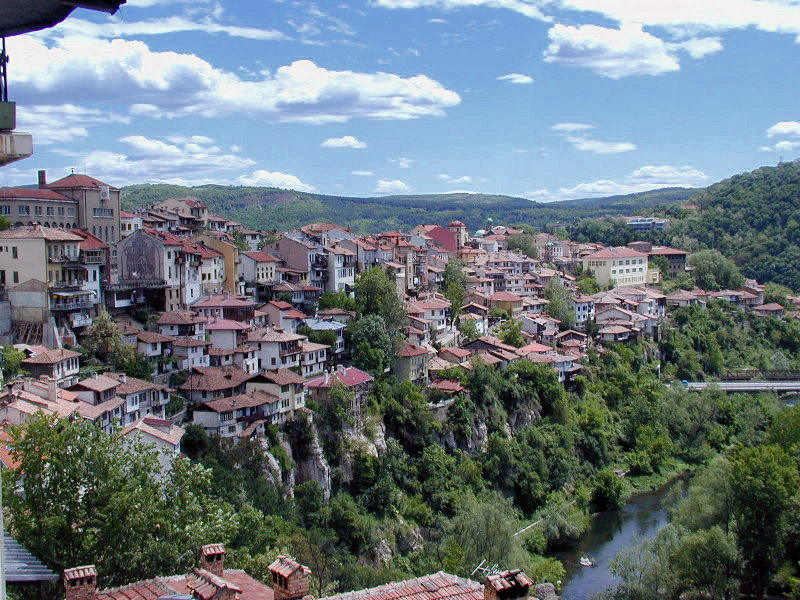
Veliko Tarnovo is a town situated in North Bulgaria, an administrative center of the Veliko Tarnovo county. The town is situated in the valley of the river Yantra, at a distance of 241 km from the capital – Sofia.
.Veliko Tarnovo is one of the oldest towns in the country, as its history dates back to more than five thousand years ago, which is proven by archaeological excavations.
The upsurge of Veliko Tarnovo is related to the period of the Second Bulgarian Empire (1185 – 1393). In 1185 the town was declared a capital of the restored Bulgarian State by the brothers Asen and Petar, who declared the end of the Byzantine dominion, which continued for 167 years.
After its selection to be a capital, the town developed fast, as within the period 12th – 14th century it was the most unconquerable Bulgarian fortress, as well as a cultural and intellectual center of Bulgaria.
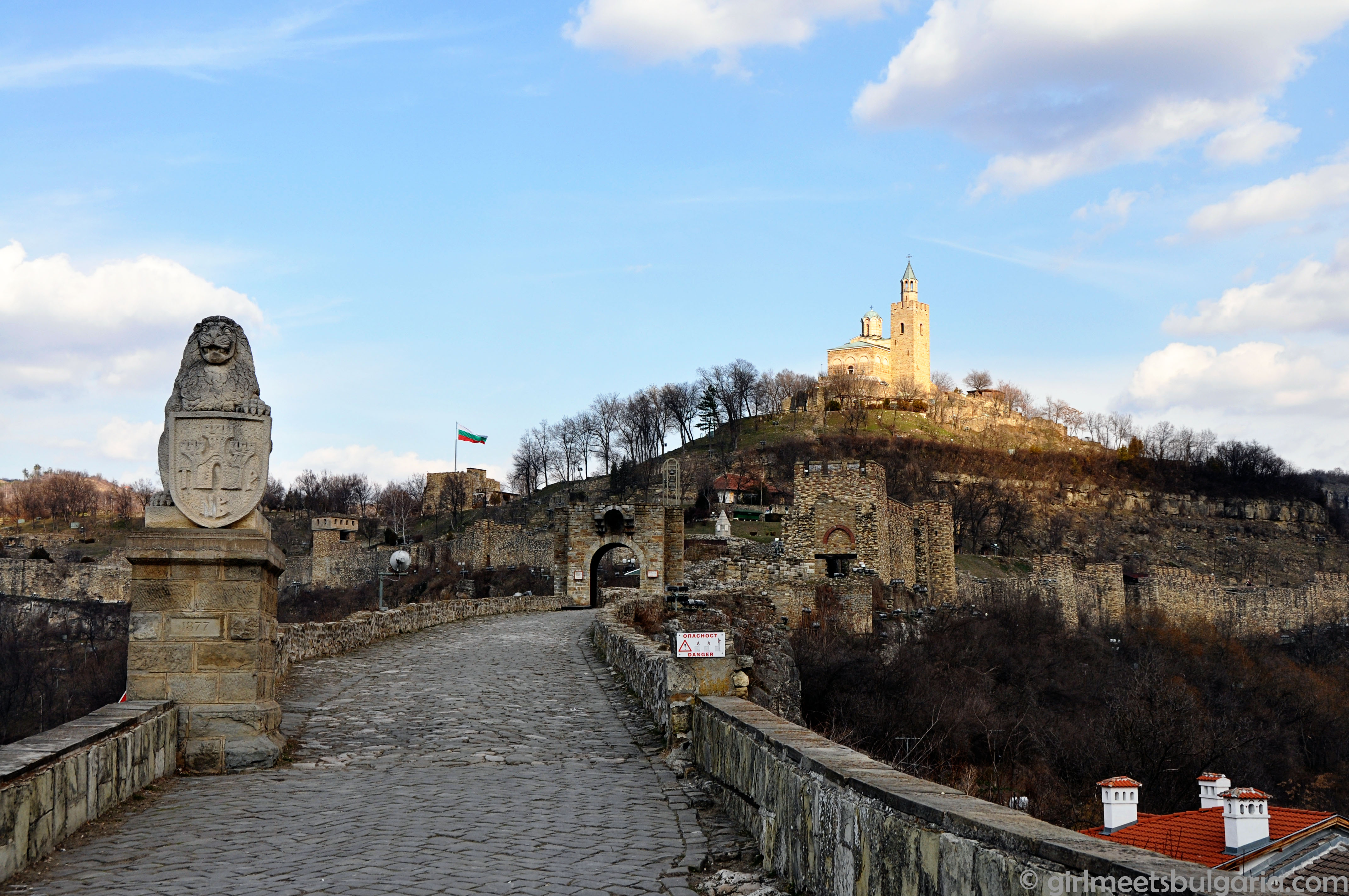
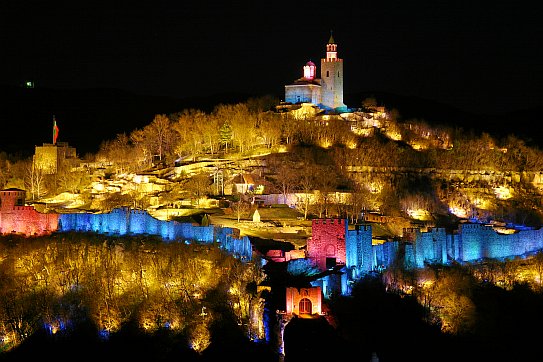
The most significant monument of culture in Veliko Tarnovo is the medieval fortress Tsarevets, situated on the homonymous peak, surrounded on three sides by the river Yantra. Excavations show that although Tsarevets is surrounded by a fortified wall, it was not a closed fortress, but a real medieval town, in the center of which the following objects were rising: the palace, the church “St. Petka”, multiple residential and economic buildings, water reservoirs and battle towers. The Patriarch’s residence was on the highest part of Tsarevets, and the Patriarch’s church “The Ascension of Christ” was also in close proximity.
There is also another historical hill near Tsarevets – Trapezitsa. Its historical richness is great and has not been completely discovered yet. The archaeological excavations on the hill continue and new interesting finds constantly appear on the surface.
Besides its historical hills, Veliko Tarnovo is also famous for its multiple orthodox temples. One of the most emblematic medieval churches is the temple “St. Forty Holy Martyrs”, constructed in honor of the triumph of Tsar Ivan Asen II (1218 – 1241) over the Epir Despot Teodor Komnin (1180 –1273). The Bulgarian tsars Kaloyan (1168 – 1207), Ivan Asen II were buried here, as well as many other members of the royal families and the Bulgarian aristocracy. The orthodox temple stores some of the most valuable old Bulgarian epigraph monuments – the Omurtag column, the Asen column and the Border column of the Rodosto fortress from the time of Khan Krum (755 –814).
Some of the most popular Bulgarian monasteries – Patriarsheski, Preobrazhenski, Arbanashki, Plakovski, Kapinovski, Kilifarevski, etc., are situated in the vicinity of the town.
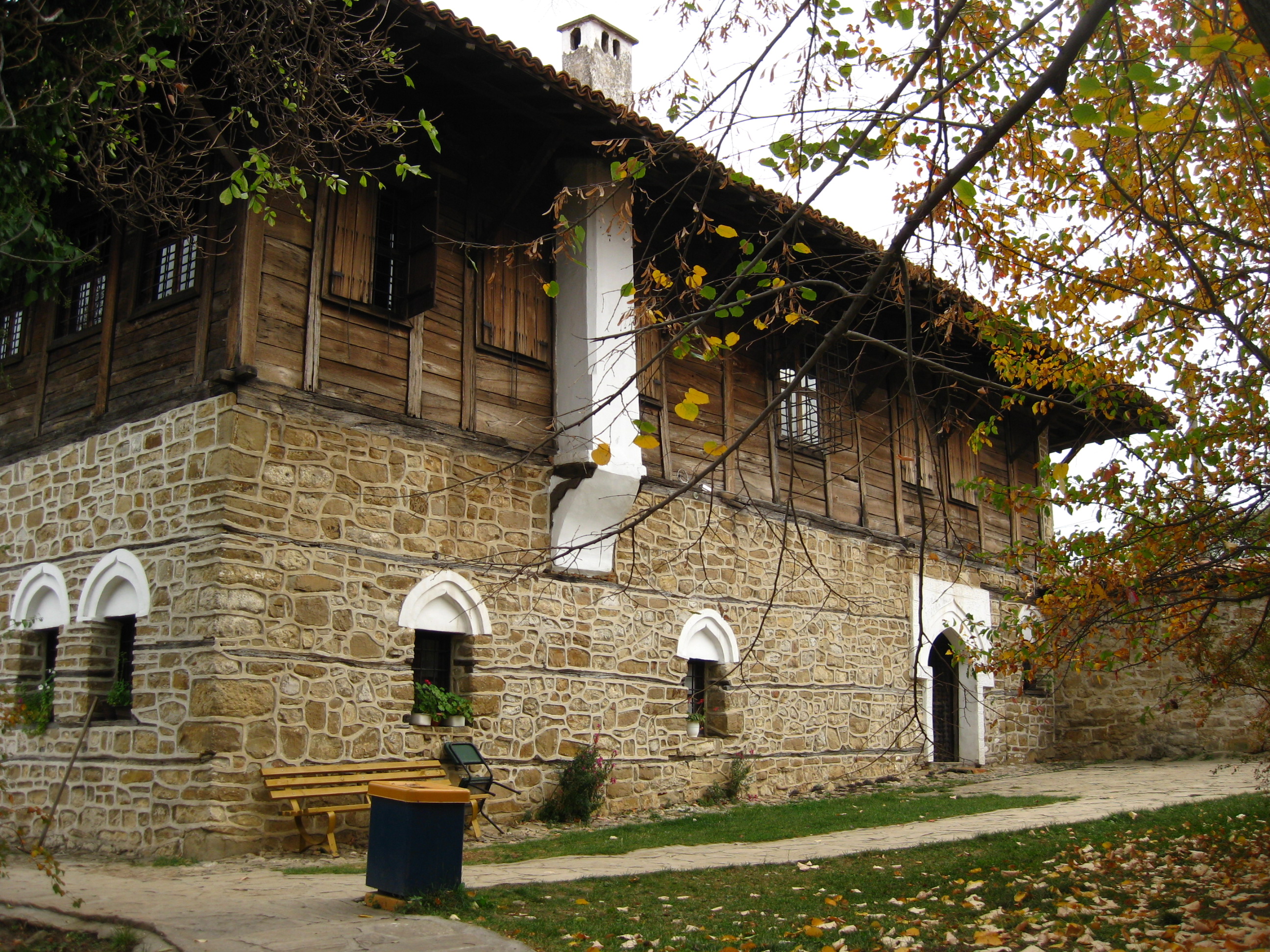
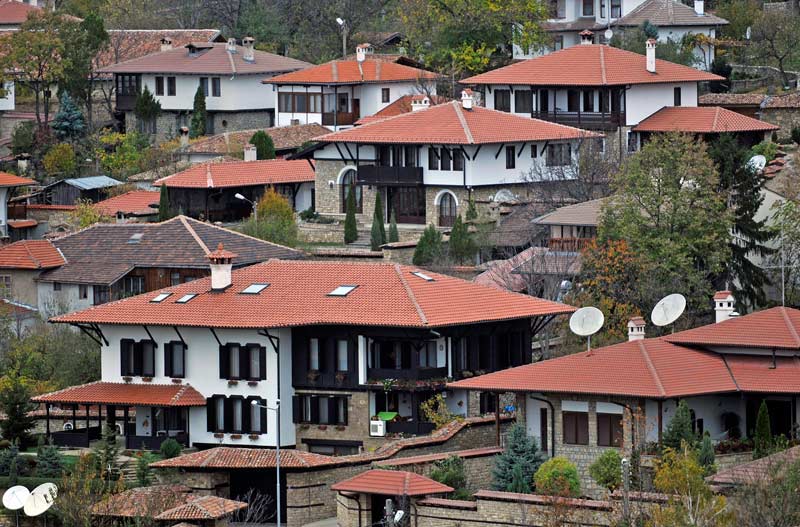
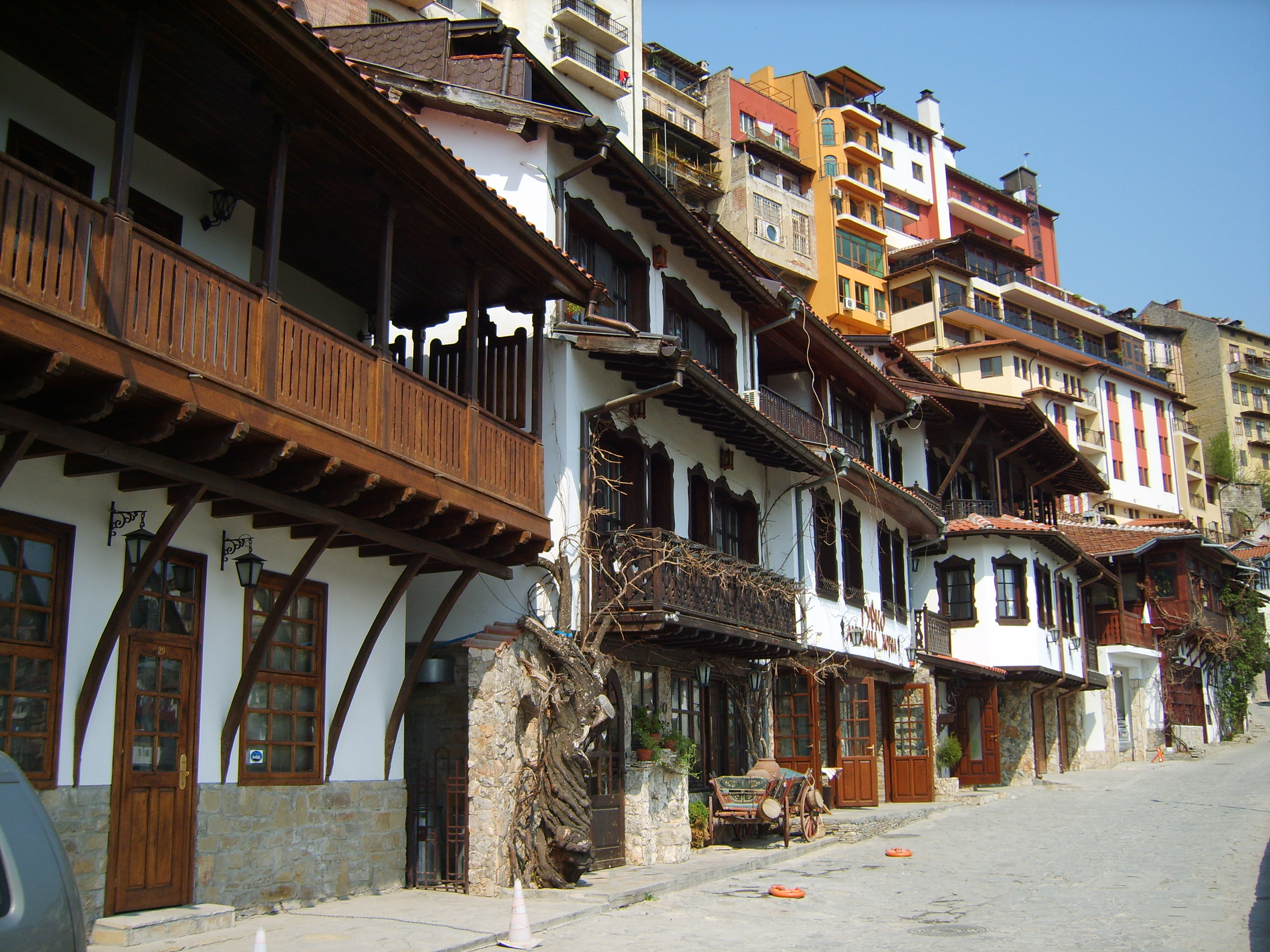
In 1879 the First Constituent Assembly was called, on which the so called Tarnovo Constitution was adopted. Here was the First Grant National Assembly was also established. It elected Prince Alexander I of Batenberg (1857 – 1893) for Bulgarian ruler.In architectural terms, the appearance of the old part of the town takes the visitors in the past. Walking along Gurko street or Samovodskata Charshia (the crafts streets), the town guests have the possibility to see houses built over 200 years ago, as well as to sense a completely different atmosphere. The market street is a kind of an ethnographic complex with crafts workshops, souvenir shops and galleries.
The larger portion of the local museums, are situated in the old part of the town. Some of the most interesting of them include; the Archaeological Museum, the Museum of Revival and Constituent Assembly, Museum of Contemporary and Most Contemporary History, the Sarafkina House, the Museum House of P. R. Slaveykov, the Stambolov Inn, the Inn of Hadzhi Nikoli, etc.
Arbanasi
The architectural reservation Arbanasi is situated at a distance of only 6 km from Veliko Tarnovo. The ancient village had preserved magnificent architectural monuments of the Age of the Bulgarian Revival, old churches and beautiful yards filled with flowers and greenery.
Arbanasi is a village in Veliko Tarnovo Municipality, Veliko Tarnovo Province of central northern Bulgaria, set on a high plateau between the larger towns of Veliko Tarnovo (four kilometres away) and Gorna Oryahovitsa. It is known for the rich history and large number of historical monuments, such as 17th- and 18th-century churches and examples of Bulgarian National Revival architecture, which have turned it into a popular tourist destination.